Essential Sports Gear Tips for Enthusiasts: Your Ultimate Sports Essentials Guide

Aktualisiert: 27. Okt.
When it comes to serious athletic performance, the right gear makes all the difference. I know from experience that having equipment tailored to your sport and needs can elevate your game and protect your body. This sports essentials guide breaks down the must-know tips for selecting, maintaining, and optimizing your sports gear. Whether you train daily or compete regularly, these insights will help you gear up smartly and confidently.
Understanding Your Sport’s Specific Gear Needs
Every sport demands unique equipment. The first step is to identify what gear is essential for your discipline. For example, runners need quality shoes with proper cushioning and support, while cyclists require helmets and padded shorts. Knowing the core items prevents overspending on unnecessary gear and ensures you focus on what truly impacts performance.
Research your sport’s gear standards. Check official guidelines or expert recommendations.
Prioritize safety equipment. Helmets, pads, and guards are non-negotiable.
Consider your training environment. Outdoor sports may require weather-resistant gear.
I always start by listing the gear I absolutely need and then add items that enhance comfort or performance. This approach keeps my kit lean and functional.

Running shoes designed for optimal support and traction
How to Choose Quality Gear: A Sports Essentials Guide
Selecting quality gear is about more than brand names or flashy designs. It’s about materials, fit, and durability. I look for gear that withstands intense use and fits my body perfectly. Ill-fitting or low-quality equipment can cause injuries or hinder performance.
Here’s how I evaluate gear quality:
Material Matters - Opt for breathable, moisture-wicking fabrics for apparel. For equipment, choose sturdy, lightweight materials like carbon fiber or reinforced plastics.
Fit and Comfort - Try gear on whenever possible. Shoes should have a snug but comfortable fit. Protective gear must not restrict movement.
Functionality Over Fashion - Features like adjustable straps, ventilation, and ergonomic design improve usability.
Read Reviews and Test - Look for feedback from athletes in your sport. If possible, test gear during practice before committing.
Investing in quality gear pays off in longevity and performance. I avoid cheap alternatives that wear out quickly or fail under pressure.
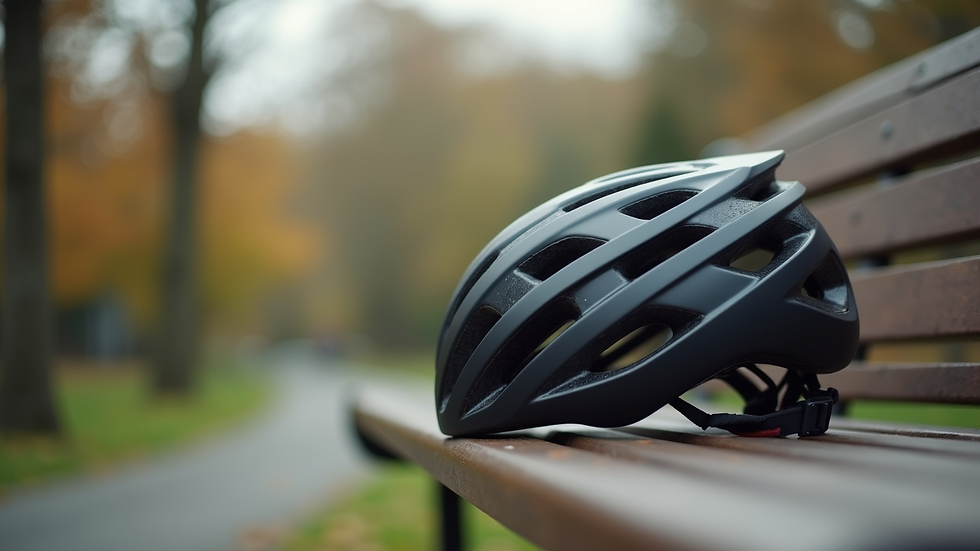
Cyclist helmet designed for safety and ventilation
Maintaining Your Gear for Longevity and Performance
Proper maintenance extends the life of your gear and keeps it performing at its best. I treat my equipment like an investment. Neglect leads to wear and tear that can compromise safety and effectiveness.
Key maintenance tips include:
Clean gear regularly. Remove dirt, sweat, and grime after each use. Use appropriate cleaning methods for different materials.
Inspect for damage. Check for cracks, frayed straps, or worn soles. Replace parts or gear as needed.
Store properly. Keep gear in a cool, dry place away from direct sunlight. Use protective bags or cases.
Follow manufacturer instructions. Some gear requires special care, like waterproofing or conditioning.
Routine maintenance prevents unexpected failures during training or competition. It also helps you spot when it’s time to upgrade.
Optimizing Your Gear Setup for Peak Performance
Having the right gear is one thing. Using it effectively is another. I customize my setup to match my training goals and conditions. Small adjustments can make a big difference.
Consider these optimization strategies:
Adjust fit before every session. Straps, laces, and padding should be checked and tightened as needed.
Layer smartly. Use base layers, mid-layers, and outer layers to regulate temperature and moisture.
Use technology wisely. GPS watches, heart rate monitors, and smart insoles provide valuable data to improve training.
Rotate gear. Avoid overusing one pair of shoes or one set of pads to reduce wear and injury risk.
By fine-tuning your gear setup, you maximize comfort and efficiency. This approach supports consistent progress and injury prevention.
Where to Find Reliable Information and Gear
Finding trustworthy sources for gear advice and purchases is crucial. I rely on expert reviews, athlete forums, and reputable retailers. One excellent resource is the sports gear blog, which offers in-depth guides and product insights tailored for serious athletes.
When shopping:
Buy from authorized dealers. Avoid counterfeit or substandard products.
Look for warranties and return policies. These protect your investment.
Stay updated on new gear innovations. Technology evolves rapidly in sports equipment.
Building a relationship with a reliable supplier ensures you get the best gear and support.
Building Your Gear Collection Over Time
You don’t need to buy everything at once. I recommend building your gear collection gradually, focusing on essentials first. As your skills and needs evolve, add specialized items.
Steps to build your collection:
Start with basics. Shoes, apparel, and safety gear.
Add performance enhancers. Compression wear, training aids, or sport-specific tools.
Upgrade selectively. Replace worn gear with higher-quality versions.
Invest in multi-purpose items. Gear that works across different activities saves money and space.
This methodical approach keeps your gear relevant and manageable.
Final Thoughts on Gear That Works for You
Your gear should empower you, not hold you back. I’ve learned that the right equipment, maintained well and used smartly, is a game-changer. This sports essentials guide is your roadmap to making informed choices that support your athletic journey.
Remember, gear is a tool. Your dedication and training make the difference. Equip yourself wisely and push your limits with confidence.
If you want to dive deeper into gear tips and product reviews, check out the sports gear blog for expert advice tailored to serious athletes like you.


Kommentare